
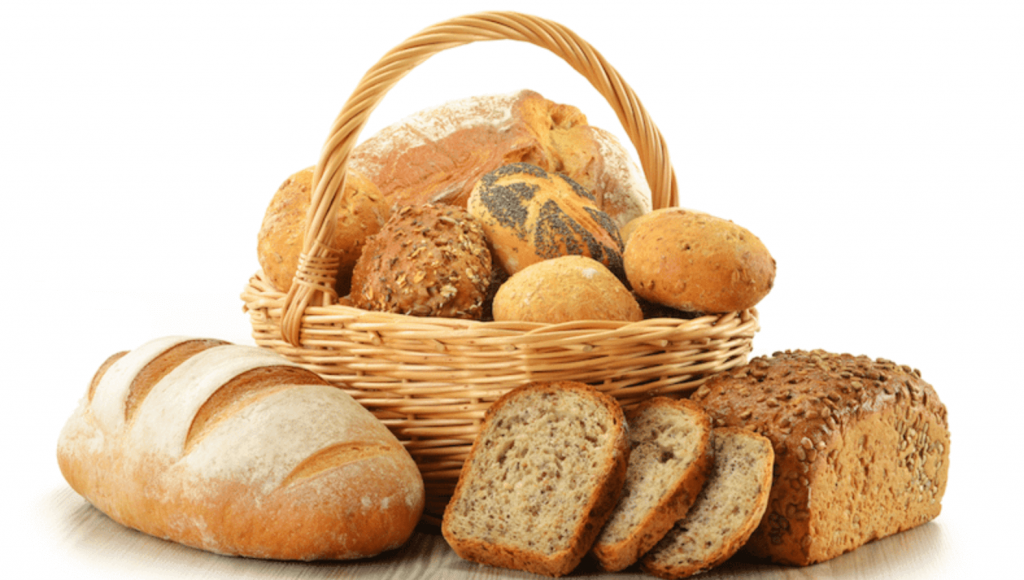
My take on the Consumer Association article: Gluten-free products not always healthier
What does the consumer association say?
The Consumers' Association article correctly describes that many gluten-free bread and pastry substitutes contain little nutritional value and often too much white flour, sugar, fat and salt. The reason behind this is that it is quite difficult to mimic the functions of gluten using only healthy ingredients.
Gluten has a very big effect on the texture and taste of a product due to its "sticky" property. In gluten-free products, a lot of sugar, yeast and bread improver are often used to make up for this deficiency. In addition, fibre-rich gluten-free alternative ingredients are rarely chosen, because without gluten, the product will become dry very quickly.
All in all, therefore, these substitutes are not a healthy choice as a staple food and it is unwise to follow a diet that consists largely of these products.

My opinion on gluten-free products
Definitely don't let the misconception that gluten-free food is unhealthy. After all, it's not about what you don't eat, but what comes in return. If you start opting for unprocessed gluten-free alternatives and start baking buckwheat pancakes or banana bread yourself, for example, then this is a completely different diet from opting for the unhealthy industrial substitutes. Moreover, you can opt for less bread-like meals and get much more creative with food.
When it comes to a healthy diet arrival, we are all slightly different. Moreover, we are not only what we eat, but also what we digest, absorb, tolerate and excrete. It is precisely on the last four points that things often go wrong. For instance, wholemeal bread can be high in fibre, vitamins and minerals, but if you do not digest or tolerate it properly, it is not healthy for you.
About celiac disease
We used to think that very few people do not tolerate gluten. These are people with the autoimmune disease celiac disease. In these people, very small amounts of gluten cause severe symptoms and they even have to take into account cross-contamination via a bread knife or other utensils. They must also pay attention to the gluten-free logo in the supermarket. Celiac disease is relatively rare, and there are medical tests available to detect it.
About glutensensitivity
In recent years, however, many more people have started eating gluten-free or low gluten diets because they noticed that they felt more energetic, less bloated and sometimes got rid of inflammation-related complaints. This did not go unnoticed by therapists and nutritionists and thus these effects were increasingly described in best-selling books worldwide. Scientific researchers also started working with these practical experiences and what turned out: there is a much larger group that benefits from gluten-free food and this group does not have celiac disease. This form of hypersensitivity to gluten is called glutensitivity.
The symptoms in glutensitivity are often less severe than in celiac disease, small amounts of gluten often give no symptoms and it cannot be detected in medical tests. So, to find out if you are glutensitiv is a matter of trying. More and more people are doing this and thus the group eating gluten-free is growing. What you have to realise is that when you start eating gluten-free, you can no longer show celiac disease in the tests. So it is best to test for celiac disease first and, if you don't have it, only then to try gluten-free food.

About fructans
Besides celiac disease and gluten sensitivity, there is another form of hypersensitivity to bread products. Namely, there are people who experience irritable bowel syndrome from a substance in wheat other than gluten, namely fructans. These people experience benefits when they replace wheat bread with spelt bread. This is because spelt contains just as much gluten as wheat, but far fewer fructans.
Summary
- If you do not digest or tolerate gluten well, a gluten-free diet is wise
- Celiac disease is rare, but glutensitivity is much more common
- If you are going to follow a gluten-free diet, make sure you have healthy alternatives and don't lean too much on the industry concoctions full of white flour, sugar, salt and bread improvers.
- If you do tolerate or digest gluten well, a varied diet is recommended. However, many people eat a lot of wheat products unilaterally, and should vary more with alternatives to be truly healthy.
Ir. Ralph Moorman
 English
  Dutch
Dutch 