
Resistant starch is a fibre with special properties...
Discover the power of resistant starch
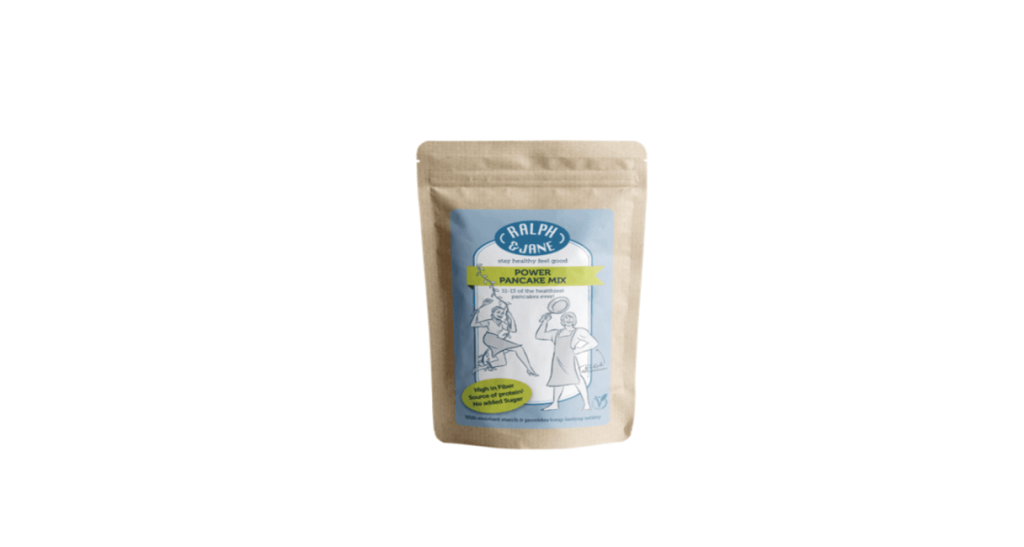
Teff and plantain flour, both ingredients in the Ralph and Jane (W)healthy Wondermix and Power Pancake mix are very good sources of resistant starch or in English 'resistant starch'(or RS). You might have a negative feeling when you hear the term starch because it belongs to carbohydrates and this could then greatly disrupt blood sugar.
However, resistant starch is totally different and can be counted among the useful dietary fibres that are not converted into glucose, so do not make blood sugar rise and do not provide calories. Our good gut bacteria (gut flora, probiotics) can grow extremely well precisely on resistant starch. Both the number of species and the absolute number of these very welcome bacteria can go up because of it, which is beneficial for digestion and our health.

A fibre with special properties
Resistant starch is thus a dietary fibre. Dietary fibres are digested in the large intestine and not in the small intestine. Yet they are crucial for proper digestion and intestinal flora. There are all kinds of fibres that can come from vegetables, fruits, tubers, bulbs, roots and grains. These fibres are all slightly different and it is a good idea for your health to get them in a wide variety. Resistant starch is a water-soluble (fermentable) fibre that really stands out in some positive ways.
5 benefits of resistant starch
- RS nourishes the intestinal flora. It is also called a prebiotic. This ensures that the beneficial intestinal flora can grow properly, allowing digestion to function properly and improving bowel movements (i.e. better poo!). (1)
- Your immune system benefits from a good varied gut flora through RS. (2)
- RS quickly creates a feeling of fullness (satiety, reduced appetite) which also lasts for a long time while providing no calories. It can therefore help with permanent weight loss in a weight-loss programme or diet. (3) (4)
- RS binds certain substances such as cholesterol and toxins from your diet to itself. (5)
- The digestion of RS by the intestinal flora produces butyric acid (or butyrate). Among other things, butyric acid causes the intestinal wall to improve and less inflammation or infection can occur. Butyric acid can also reduce the risk of colon cancer. (6)
See also:
> Curious about Ralph & Jane? Read all about them here! <<
 English
  Dutch
Dutch 
4 Response(s), post a comment too!
Hi ralph, you write that you should not reheat the cooled rice and potatoes because of the resistant starch. On the site of the diabetes fund it says you should reheat them. Can you clarify that?
Diabetes Fund assumes no one wants to eat cold potatoes which I certainly understand. So when you heat and cool it, resistant starch is created. When you then reheat it, much of it is retained.
Yes, but I don't know if you like it. You could also opt for teff flakes.
Can I use teff flour
Thanks or add plantain flour also directly to my yougourt for mornings