
I am regularly asked by my clients whether it might be a good idea to have a comprehensive health check to do.
Preventive scans and blood tests
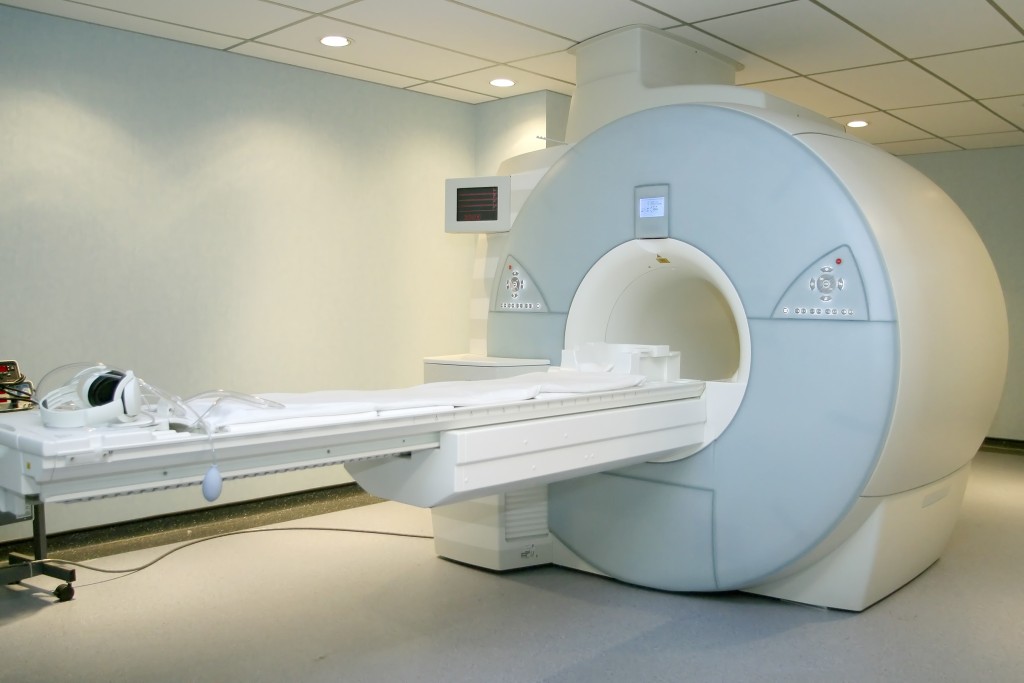
These often involve Total Body Scans, complemented by extensive blood, saliva and urine tests.
After all, measurement is knowledge, they say.
My rebuttal question is often what they would want to measure and why
This usually involves not just some blood markers that you could improve with a nutrition plan and lifestyle regimen, but also the detection of any medical abnormality.
- On that first point in particular, I see advantages and that's why I also partnered with Blood value test to have a kind of baseline measurement and after a period of 'healthy behaviour' a retest to see if you are on the right track. Thus, this test can give you extra motivation and insight. So this is from the point of view of health optimisation and attempt to prevent complaints and disease in the future.
- However, when it comes to the detecting any medical problems in the here and now in people without complaints or (familial) risk, I become a lot more cautious.
Over the past few months, for instance, I have spoken to several core healthy athletes who had a blood test where the liver values were too high. They were quite shocked and looking for specialists who could do follow-up tests to check for liver cancer or other liver problems.
However, a diagnosis on an abnormal blood value alone is very risky. For a correct interpretation, you need to know well what these liver markers stand for, what the causes of abnormalities might be and know the person well through a comprehensive intake and anamnesis.
For instance, liver values like Asat and Alat can give abnormalities when there is a lot of muscle breakdown, in athletes who train hard and/or aim for a low fat percentage. In fact, you should not train heavily for 10 days before measuring these values. So in retrospect, follow-up tests showed that there was nothing wrong with the liver with these athletes. However, they did suffer unnecessary anxiety and medical specialists.
Measuring is not always knowing
So measuring is by no means always knowing. It is the interpretation and follow-up protocol that makes it valuable or not.
- Thus, I can quite understand the criticism from the Dutch General Practitioners Association and the KNMG. Overdiagnosis, overtreatment, false positive results, false reassurance, costs, unnecessary pressure on care, doubts about quality from commercial providers and radiation danger from the ct scans themselves are definitely objections that make sense.
- On the other hand, however, sometimes diseases are detected early and can therefore be treated better. Moreover, it can lead to people waking up and living healthier to prevent worsening of symptoms. Also, it can sometimes reassure people.
As you can see, there are pros and cons to preventive testing.
Conclusion
Personally, I find it positive that people have some kind of personal choice in this, although obviously you have to have some money available for it yourself. However, it is important that commercial providers create the right expectations in their communication and marketing, that follow-up is applied very expertly and that participants are well prepared and guided.
The criticism should be taken seriously and acted upon by these parties. If all this is in place, I have no objections to it. However, this is not to say that I am or will become a fan of it.
 English
  Dutch
Dutch 